
Nearctic (NA)
- Shanti Bants
- Aug 21, 2025
- 2 min read
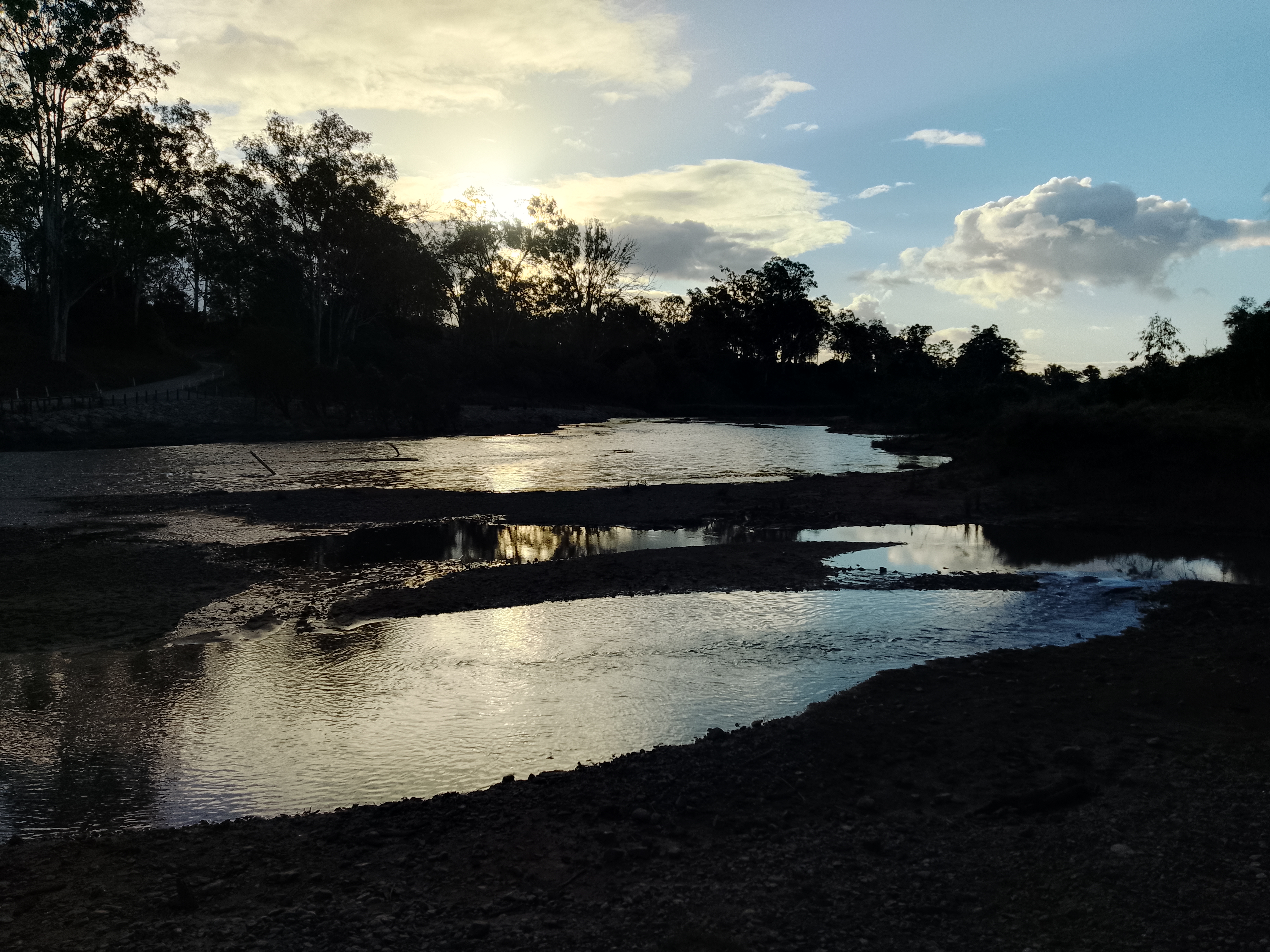
The Nearctic (NA) realm is recognised as one of the eight distinct biogeographic realms that make up the terrestrial surface of our planet. This realm primarily encompasses the vast expanse of Northern America, which stretches from the frigid northern reaches of Canada down to the warmer climates of northern Mexico. The Nearctic (NA) realm has remarkable biodiversity and ecological complexity, further divided into six unique sub-realms, each characterised by its own distinct ecosystems and climatic conditions. These sub-realms include; the Northeast American Forests, Southeast US Savannas, Great Plains, American West, Mexican Drylands, and North Pacific Coast.

The Northeast American Forests sub-realm encompasses four distinct forest bioregions, providing critical habitats for a variety of endemic species. This sub-realm includes the iconic landscapes surrounding the Great Lakes, which play a vital role in the ecology of the region. The forests here are characterised by a mix of deciduous and coniferous trees, creating a vibrant tapestry of foliage that changes dramatically with the seasons, offering a stunning display of colours in the fall.
The Southeast US Savannas & Forests sub-realm is marked by its five bioregions, where expansive grasslands dominate the landscape. The interplay between the grasslands and the forests creates unique ecological niches that support various species, making this area a hotspot for biodiversity.
The Great Plains sub-realm is another significant area, comprising three expansive grassland bioregions that stretch dramatically from the southern reaches of Canada all the way down to central Texas. This region is known for its vast open spaces, fertile soil, and rich agricultural lands. The Great Plains are home to a variety of flora and fauna, including iconic species such as bison and prairie dogs, which have adapted to thrive in this unique environment.
In contrast, the American West sub-realm presents a more rugged and diverse landscape, incorporating five bioregions that include the arid deserts of the Southwest alongside the lush forests of the Rocky Mountains. This juxtaposition of ecosystems creates a rich variety of habitats, supporting an array of species that have adapted to both the dry desert conditions and the moist, mountainous regions. The American West is characterised by its dramatic topography, which includes canyons, mountains, and high plateaus.
The Mexican Drylands sub-realm is comprised of two distinct bioregions that showcase a diverse mix of ecoregion types across northern Mexico and the Baja Peninsula. This area is characterised by arid landscapes, unique desert flora, and fauna, and is an important region for understanding how life adapts to extreme conditions. The ecosystems here are fragile yet resilient, showcasing the incredible adaptability of life in dry environments.
The North Pacific Coast sub-realm extends from the border of Mexico up to central Canada, featuring three distinct bioregions. This coastal region is characterised by its unique maritime climate, which supports lush temperate rainforests and diverse marine ecosystems. The interplay between land and sea in this area creates rich habitats for a variety of marine and terrestrial species, making it a crucial area for conservation efforts and ecological studies.


Comments