
How to Create a Sustainable Garden with Non-GMO Plants
- Shanti

- Jul 27
- 5 min read
Build a Healthy, Sustainable Garden Using Non-GMO Plants, Healthy Soil and Nature-Friendly Gardening Practices
Shanti Plants – The Earth Provides

A sustainable garden is more than a collection of plants—it is a living ecosystem that supports people, wildlife, soil and water. Whether you're growing herbs, vegetables, flowers or native plants, thoughtful gardening practices can improve biodiversity, reduce waste and create resilient landscapes that thrive over time.
One important choice many gardeners make is to grow non-GMO (non-genetically modified organism) plants. For home gardeners, this usually means selecting open-pollinated or heirloom varieties that have been developed through traditional plant breeding rather than modern genetic engineering. While genetically modified crops are primarily grown in large-scale agriculture and are subject to regulatory approval in some countries, many gardeners simply prefer non-GMO varieties because they allow seed saving, preserve plant diversity and support traditional cultivation practices.
At Shanti Plants, we believe gardening should be practical, evidence-based and environmentally responsible. Creating a sustainable garden begins with healthy soil, suitable plants, efficient water use and long-term stewardship rather than relying on synthetic chemicals or intensive resource use.
This guide will help you establish a productive garden that benefits both your household and the environment.
In This Article |
|
What Is Happening?
Across the world, more people are creating home gardens to grow food, support biodiversity and improve environmental sustainability. Gardens can provide habitat for pollinators, reduce urban heat, improve soil health and contribute to local food production.
However, many gardens still rely heavily on synthetic fertilisers, pesticides and excessive water use. These practices can affect soil organisms, waterways and beneficial insects.
Sustainable gardening focuses on working with natural systems by improving soil health, encouraging biodiversity and using resources efficiently. The specific methods that work best will vary depending on your climate, soil type and local regulations.
Quick Facts | |
Main environmental focus | Sustainable home gardening |
Suitable for | Home gardens, raised beds, balconies and community gardens |
Growing season | Varies by climate and plant species |
Best location | Areas with suitable sunlight, healthy soil and good drainage |
Key resources | Healthy soil, water, compost and appropriate plant selection |
Practical action level | Beginner to advanced gardeners |
Evidence confidence | High for soil health, composting, biodiversity and integrated gardening practices |
Why It Matters
Sustainable gardens provide environmental, social and personal benefits that extend well beyond the garden fence.
Plants
Growing a diverse range of species increases resilience, supports pollinators and helps preserve plant diversity.
Soil
Healthy soil stores nutrients, improves water retention and supports billions of beneficial microorganisms essential for plant growth.
Water
Water-wise gardening reduces unnecessary water use while improving drought resilience.
Wildlife
Flowering plants, native vegetation and chemical-free habitats provide food and shelter for bees, butterflies, birds, frogs and other beneficial wildlife.
Food
Growing fresh herbs, fruit and vegetables can improve household food security while reducing food transport and packaging.
People
Gardening encourages physical activity, outdoor learning, mental wellbeing and practical environmental education.
Community Resilience
Community gardens and local seed sharing strengthen neighbourhood connections and increase local food resilience.
Main Causes
Direct evidence
Gardens are more sustainable when they:
Build healthy soil through compost and organic matter.
Improve biodiversity by growing a variety of suitable plants.
Reduce synthetic pesticide use through integrated pest management.
Use water efficiently.
Protect pollinators and beneficial insects.
Possible contributing factors
Garden success may also be influenced by:
Local climate.
Soil type.
Seasonal rainfall.
Plant selection.
Garden maintenance practices.
Local pests and diseases.
What the Evidence Shows
Avoid | Do This Instead |
Planting species unsuited to your climate | Select plants adapted to your local conditions |
Relying solely on synthetic fertilisers | Improve soil with compost and organic matter |
Watering frequently with shallow irrigation | Water deeply when required to encourage stronger roots |
Removing every insect from the garden | Encourage beneficial insects that naturally help manage pests |
Disposing of healthy plant material | Compost suitable garden waste where practical |
Purchasing plants without knowing their origin | Buy healthy plants and quality seeds from reputable suppliers |
What You Can Do at Home
Home Gardens
Improve soil with compost each season.
Grow a diversity of edible and flowering plants.
Install mulch to conserve moisture.
Harvest rainwater where permitted.
Rotate crops to reduce pest and disease build-up.
Balconies
Grow herbs and vegetables in containers.
Use quality potting mix.
Select compact varieties suited to small spaces.
Provide flowering plants for pollinators.
Schools
Establish vegetable gardens that teach food production, biodiversity and composting.
Encourage students to observe insects, soil organisms and seasonal plant growth.
Community Gardens
Share seeds and gardening knowledge.
Compost green waste.
Grow diverse crops suited to local conditions.
Support inclusive learning opportunities.
Local Groups
Organise seed swaps.
Host composting workshops.
Plant community food forests.
Restore native pollinator habitat where appropriate.
What Communities Can Do
Communities can strengthen sustainable gardening through collaborative action.
Examples include:
Establishing community gardens.
Supporting local seed libraries.
Restoring native pollinator habitat.
Encouraging water-wise landscaping.
Reducing pesticide use in shared spaces.
Delivering gardening education programs.
Supporting school gardens.
Sharing locally adapted heirloom and open-pollinated seed varieties.
Conservation and Safety Notice |
Identification WarningAlways correctly identify plants before consuming any edible species. Many edible plants have poisonous look-alikes. Toxic Look-alikesSome ornamental plants closely resemble edible herbs or vegetables. Confirm several identifying characteristics before harvesting. Allergy or Handling ConcernsSome plants may cause skin irritation, allergic reactions or respiratory sensitivity. Wear gloves when appropriate. Legal RestrictionsPlant availability, biosecurity regulations and declared pest species vary between regions. Always follow local regulations regarding plant movement and cultivation. Landholder PermissionObtain permission before collecting seeds or plant material from private property or protected areas. Contamination RisksAvoid growing edible plants in soil contaminated by heavy metals, industrial pollution or persistent chemical residues. Raised garden beds with clean soil may be appropriate where contamination is suspected. |
Key Takeaways |
|
References
Australian Government Department of Climate Change, Energy, the Environment and Water. (2024). Gardening for biodiversity.
CSIRO. (2023). Healthy soils for sustainable agriculture.
Food and Agriculture Organization of the United Nations. (2024). Building resilient food systems.
International Seed Federation. (2023). Plant breeding innovation and sustainable agriculture.
Royal Horticultural Society. (2024). Sustainable gardening.
United Nations Environment Programme. (2023). Nature-based solutions.
Keep Learning with Shanti Plants | ||
 Download the complete plant profile for growing, safety and practical-use information. | 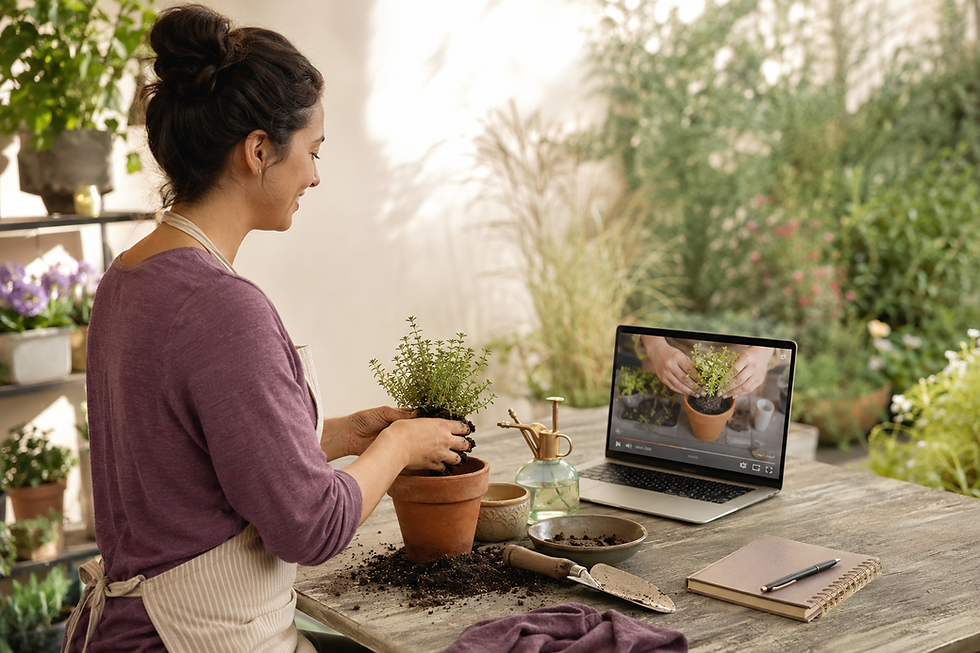 Watch our "How To" video and follow along as we identify, cultivate and harvest. | 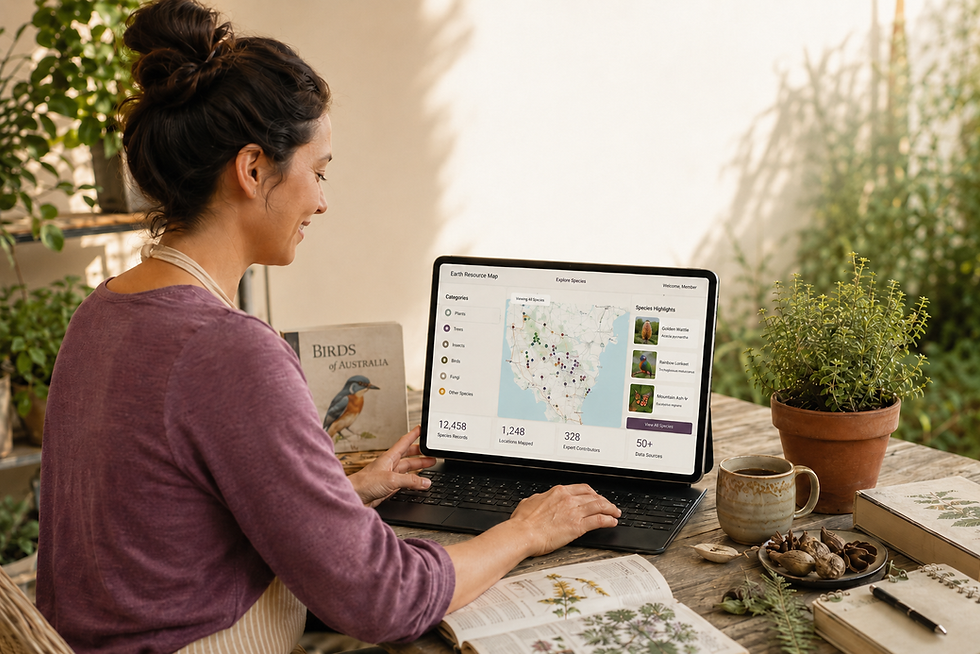 Become a member and get full access to all our verified species around the world. |



Comments